Background
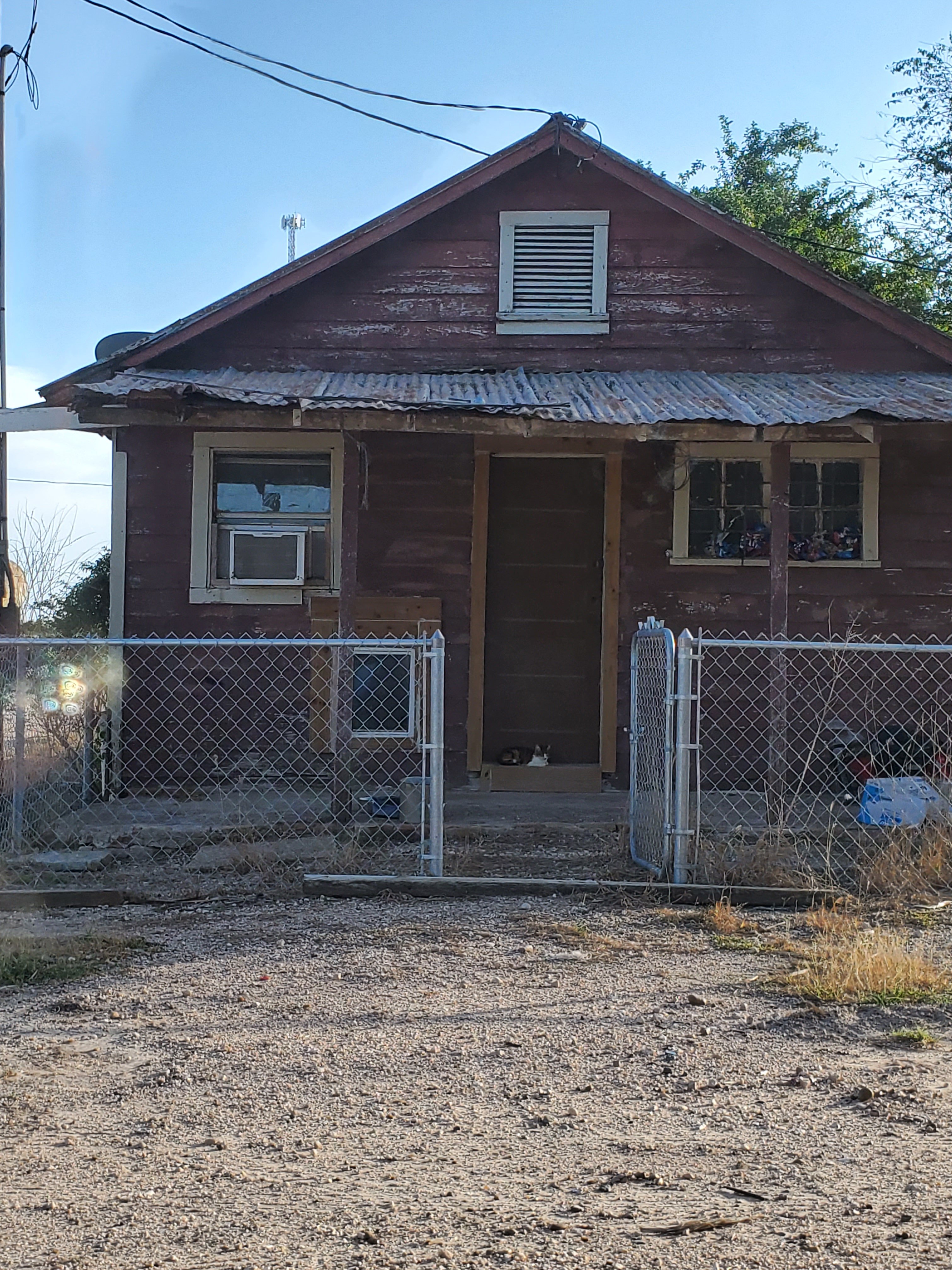
Farm workers commonly face substandard housing conditions. Many workers pay high prices to live in crowded, unsanitary conditions which often lack basic utilities. They also often live in isolated areas far away from vital services, such as health clinics, grocery stores, and public transportation.
Farm workers live in many different types of housing which vary widely based on geographic location, immigration status, and other factors. The most common types of farm worker housing are:
- Government housing: In order to qualify for affordable subsidized housing, farm workers must be documented. Many farm worker advocates estimate that around half of the farm worker population is undocumented. Even for documented farm workers, government housing is not always up to standard. In 2011, the American Public Health Association released a policy statement declaring that improving farm worker housing is a “public health imperative.” The action steps are quite hefty, calling for the collaboration with “community housing advocacy groups, nonprofit housing organizations, community development corporations, builders, homeowners, landlords, architects, and urban planners.”
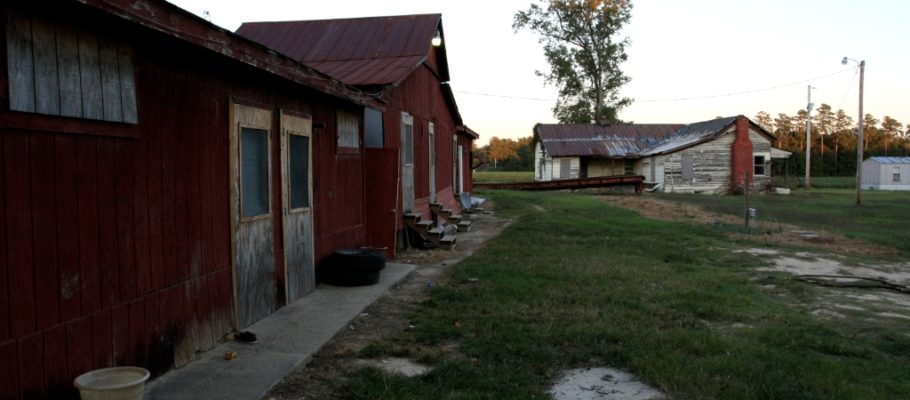
- Employer-owned housing: By law, growers are required to provide housing for non-immigrant seasonal workers on a special temporary visa called H-2A. For the majority of workers living in grower-owned housing, rent is deducted from the farm workers’ paycheck. Two studies from 2009 and 2013 show that labor camps that have any amount of H-2A workers are more likely to have better living conditions and better field sanitation than those without any H-2A workers present. H-2A workers account for only about 10% of the nation’s agricultural workforce. So if farm workers don’t get work alongside H-2A workers, they may find themselves with worse conditions because there is less incentive for the providers of housing to keep up to standard. Dairy and other farm employers will sometimes provide housing on or near the farm even when it isn’t required by law. For the majority of workers living in employer-owned housing, rent is deducted from the farm workers’ paycheck.
- Privately rented housing: The majority of farm workers are renters and find housing through the private market. Nationwide, there is a shortage of affordable housing and no state has an adequate supply of affordable rental housing for low-income renters. For example, in California which has the most farm workers there are only 24 affordable and available rental homes per 100 extremely low income renter households. In Florida and Texas, this number is 25. This means many farm workers reside in substandard and crowded housing at inflated prices or are homeless.
Inflated Housing Prices
In the case of grower-owned and other privately-owned housing, the owner can have a monopoly on available housing which allows them to overcharge. This is especially true in areas where housing options are very limited and workers have no alternative but to pay high rates. In Santa Maria, Santa Barbara County, California, an area with a high number of farm workers, the median rent was $2,999 in March 2024. The average annual pay of a farm worker in Santa Barbara County in 2024 was $41,031 or $82,062 per year for two working parents. This means half of a family’s income is going towards rent. This problem is not unique to California.
Because housing is so expensive, many workers or families will pack into one house, trailer, or apartment in order to afford rent. In a survey of small Yakima Valley, WA towns, it found overcrowding in as much as 94% of farm worker households. A high ratio of farm workers to available utilities leads to health and sanitation complications. Far too many people share cooking and laundry facilities, sinks, bathrooms, and showers. The lack of hygiene facilities can promote pesticide exposure and the spread of disease. It is important for a worker who has been exposed to pesticides to be able to shower and wash their clothes, but with so many people living in one building, this can be difficult.
In other places, landowners charge rent fees on a per-person basis instead of a total for the building. These per-person rates make life even more difficult for farm worker families, who have to pay separately for each child.
Where population density and housing costs are high, such as in California, farm worker families migrating for work have resorted to living in tents, abandoned buildings, tool sheds, converted school buses, caves, and chicken coops. A Los Angeles Times article from July 14 2023 showcased a farm worker, Juan Flores, and his friends who came to Mecca, CA to work the harvest. They were not able to find housing, and so they lived in their trucks—facing prolonged heat without easy access to relief. Flores says, “Need makes you suffer.”
Isolation & Housing Regulation
Farm worker housing, often referred to as labor camps, are often isolated as they are generally rural and near farms. This isolation limits access to resources and can lead to a decrease in quality of life. A 2015 study found that crowding, insufficient bathing facilities, pest infestation, and structural damage are common to dwellings in farm worker labor camps. The study also found that more than one third (37.8%) of the farm worker labor camps were hidden from public view. Similarly, a 2024 survey from Migrant Justice found that conditions are inadequate and unsafe for the vast majority of dairy workers, with 82% experiencing issues with predominantly employer-provided housing isolated from the community. This makes residents even more vulnerable and makes the providers of substandard housing less accountable to the public.
Employers must provide housing at no cost to H-2A workers. There are regulations for H-2A housing, but the requirements are very limited, such as sleeping areas only requiring 50 sq feet of room per person and one laundry facility for every 30 persons. Cramped, shared spaces is a major reason COVID-19 cases were four times higher amongst farm workers. Many of these regulations fail to address many safety concerns around housing, such as the presence of bacteria in the water supply outside of safe drinking standards or workers being constantly exposed to pesticide drift because housing is right next to fields.
In general, lack of government oversight on housing standards and regulations enables growers and other private owners to get away with providing substandard housing. Some active state legislation has attempted to improve housing conditions with limited success. Regulations may also be poorly enforced due to a low number of inspectors, hidden unregistered camps, and fear of reprisal for workers who report housing conditions. In 2019, eight different unregistered housing camps were discovered by NC inspectors.